
linksfarm-onboarding-6463-1-5e0e545b0e8f
Why “Signing In” to Coinbase Feels Simple — and Where the Friction Really Lives for US Traders
Surprising claim: logging into Coinbase is often the easiest part of using the exchange — but it’s not the riskiest. For many US-based traders the real headaches are not forgotten passwords but jurisdictional feature limits, on‑chain identity mismatches, and misunderstood custody choices. This piece compares the sign-in experience across Coinbase.com, Coinbase Pro (now part of Coinbase Exchange), and the self-custody Coinbase Wallet, explains the mechanisms under the hood, and gives practical heuristics for which path fits your trading style.
In short: if you only need fast fiat on‑ramps and simple buys, Coinbase’s consumer flow is optimized for that. If you execute sophisticated order types or want lower fees at scale, Coinbase Exchange and its APIs are a different game. If you want full control of keys and interaction with dApps, Coinbase Wallet is a separate responsibility. Each choice changes who controls private keys, who bears what risk, and how you authenticate.
How the sign-in flows differ — mechanism first
Mechanism matters: Coinbase consumer accounts have traditionally used password + two‑factor authentication (2FA) and, more recently, passkey and biometric options through Base Account and OnchainKit. That means many US users can replace passwords with passkeys tied to their device biometrics — faster, but device-dependent. Coinbase Exchange (formerly Pro) is oriented toward institutional or high-frequency access: login is typically the same account umbrella but traders then authenticate API keys (FIX/REST) or WebSocket streams for programmatic access. Those API keys are separate credentials with granular permissions and fee tiers tied to volume, not to the web login per se. Finally, Coinbase Wallet is self-custody: signing in there means unlocking a local key store (or connecting a Ledger hardware wallet), not reusing the centralized account credentials.
Practical implication: “coinbase sign in” can mean three different authentication events with different trust models. One key takeaway: never equate a successful web login with control of private keys. You control funds differently across these paths, and your recovery and incident response plans should reflect that.
Comparison: Coinbase consumer vs Coinbase Exchange (Pro) vs Coinbase Wallet
Below are the trade-offs most traders should weigh. Think of them as policy levers you set deliberately, not accidental defaults.
1) Control and custody. Consumer Coinbase = custodial (Coinbase holds keys). Coinbase Exchange = custodial but built for advanced trading with dynamic fee structures that reward volume. Coinbase Wallet = non-custodial; you alone hold private keys (or a Ledger does). Trade-off: convenience and fiat plumbing versus ultimate control and responsibility.
2) Fees and execution. For small retail buys, consumer spreads and convenience may beat active limit‑order trading. For active traders, the Exchange’s maker/taker and volume‑tiered fees plus FIX/REST APIs and WebSocket market feeds reduce friction and cost. Trade-off: lower fee per trade requires technical setup and operational risk (API key security, client bots).
3) Feature access and regional limits. US traders face regulatory gating: some assets, staking, or bank deposit features may be limited by jurisdictional compliance. Coinbase’s listing process is free for projects, and it supports EVM and non‑EVM chains (Base, Ethereum, Optimism, Arbitrum, Polygon, Solana), but that doesn’t guarantee immediate availability to every US user. Practical rule: check asset availability in your account region before planning a strategy that depends on a token being tradeable or stakeable.
Where sign‑in security and operational mistakes commonly happen
Two common misconceptions cause trouble. First: multi-platform identity is single identity. Lots of users assume a single username or sign-in automatically covers device-based wallets, API keys, and on‑chain usernames. It doesn’t. Coinbase now offers Web3 usernames to simplify receipts across chains, but that’s an on‑chain alias — not a substitute for secure API key management or hardware wallet procedures.
Second: passkeys and biometrics solve all phishing risk. They mitigate credential theft, but phishing still succeeds via malicious sites that ask users to approve transactions in their wallets (social engineering). Coinbase Wallet includes token approval alerts and DApp blacklists for this reason. Ledger blind signing must be enabled for some interactions — a powerful security feature that also increases user complexity.
One useful mental model for choosing a path
Adopt a simple three-question filter before you click “sign in” or create API keys:
– Will I need custody control? (Yes → Coinbase Wallet or Ledger + Wallet extension.)
– Will I trade actively or automate execution? (Yes → Coinbase Exchange + API keys; weigh fee tiers and order types.)
– Do I require fiat rails or bank-linked features (ACH, wire)? (Yes → consumer Coinbase, but confirm regional availability.)
This heuristic pushes you to map capabilities to your risk tolerance. If you skip this mapping, you’ll likely run into either unnecessary complexity (self-custody when you wanted simplicity) or surprising limits (no staking or fiat withdrawal in your jurisdiction when you planned to withdraw quickly).
Recent product context and what to watch
Coinbase has been iterating beyond basic trading: a recently announced Coinbase Token Manager centralizes token operations for projects and DAOs, integrating vesting and custody. For traders that follows three signals: more projects will use Coinbase tools for token launches (which could increase token listings), institutional custody tools will converge with trading stacks, and tooling that automates token lifecycle events will tighten the link between on‑chain governance and custodial services. Those are conditional implications — much depends on regulatory responses and project adoption.
Short-term practical watchlist for US traders: (1) asset availability notices for your state, (2) changes to API fee tiers if you trade high volume, and (3) updates to passkey or biometric options that may impact device portability. None of these are guarantees, but they are credible signals you can monitor.
FAQ
Q: Which “sign in” method is safest for a mid-sized active US trader?
A: For active trading with professional tools and lower fees, use Coinbase Exchange with API keys that are scoped and IP‑restricted where possible, while keeping the bulk of long‑term holdings in cold storage (Ledger + Coinbase Wallet or institutional custody). Safety is layered: limit API permissions, rotate keys, and segregate settlement and cold storage.
Q: Can I use one login for Coinbase, Coinbase Exchange, and Coinbase Wallet?
A: You can use a single Coinbase account umbrella for consumer and Exchange access, but Coinbase Wallet is separate in custody model — unlocking it means revealing or connecting private keys locally. Also consider claiming a Web3 username to simplify on‑chain receipts; it reduces address errors but doesn’t change custody responsibilities. For a quick start, use this coinbase login resource to confirm which path you need.
Q: Are there fee surprises when I sign in and start trading?
A: Potentially. Consumer buys include spreads and convenience fees; Exchange fees are tiered by volume. Shareable payment links are free for recipients (sender covers gas) up to $500, which is a non‑obvious cost dynamic. Always check the fee schedule and simulate a trade if fees materially affect your strategy.
Q: What is the biggest limitation US users should know before relying on Coinbase?
A: Jurisdictional restrictions. Regulatory compliance affects which assets, fiat features, and staking options are available in each state. The platform is feature-rich, but not universally so; plan around the possibility that some desired functionality may be blocked or delayed for your account.
Final practical takeaway: treat “coinbase sign in” as the beginning of an operational decision, not the end. Map your custody preference, expected feature needs, and risk model before you authenticate. Doing so turns a small UX step into a deliberate control choice — and keeps surprises out of your P&L.
Polymarket wetten: Wie Prognosemärkte wirklich funktionieren — Mechanik, Chancen und Grenzen
Was bedeutet es, auf Polymarket zu wetten — und warum sollte ein informierter Anleger in Deutschland den Unterschied zwischen „Quoten“ und „Markterwartung“ kennen? Die einfache Antwort ist: eine Quote auf Polymarket ist keine Empfehlung, sondern ein kollektives Wahrscheinlichkeitssignal, das aus Geldströmen entsteht. Dieses Signal hat praktische Macht, aber auch erkennbare Begrenzungen. In diesem Artikel erkläre ich die Mechanik hinter Polymarket, setze verbreitete Missverständnisse gegen die Realität und liefere Entscheidungsheuristiken für deutschsprachige Nutzer, die sich auf dezentrale Prognosemärkten engagieren wollen.
Die folgenden Abschnitte sind technisch genug, um echte Handlungsfähigkeit zu erzeugen, ohne in Kryptojargon zu verlieren. Ich beende mit konkreten Handlungsempfehlungen, einem kurzen Blick auf regulatorische Fallstricke für EU/DE-Nutzer und einer FAQ-Sektion, die typische operative Fragen beantwortet.

Wie Polymarket technisch funktioniert — Mechanismus statt Metapher
Polymarket ist ein dezentraler Prognosemarkt, der auf der Polygon-Blockchain läuft. Nutzer kaufen und verkaufen Anteile an binären Ereignissen; ein Anteil kostet immer zwischen 0,01 und 1,00 US-Dollar und repräsentiert eine Markterwartung: ein Preis von 0,73 entspricht einer kollektiven Einschätzung von etwa 73 % Wahrscheinlichkeit. Nach Eintritt des Ereignisses zahlt der Markt 1,00 US-Dollar für korrekte Anteile und 0,00 für falsche — das ist das klare Abrechnungssystem.
Die Plattform verwendet Automated Market Makers (AMMs) und Liquiditätspools, damit Märkte jederzeit handelbar bleiben. Liquidity Provider (LPs) stellen Kapital bereit und werden durch Transaktionsgebühren incentiviert. Anders als ein klassischer Buchmacher erhebt Polymarket keinen Hausvorteil; Marktpreise entstehen direkt zwischen Handelsteilnehmern und Algorithmen des AMM. Entscheidungen über Ereignisausgänge werden durch das dezentrale UMA Optimistic Oracle verifiziert, das als externe Instanz das reale Ergebnis bestätigt und die Auszahlung per Smart Contract triggert.
Häufige Missverständnisse: Quoten sind keine Kristallkugeln
Missverständnis 1: „Wenn der Markt 60 % anzeigt, ist das die objektive Wahrheit.“ Korrektur: Preise sind konditionale Wahrscheinlichkeiten, geprägt von Informationen, Liquidität und Handelsanreizen. Sie sind oft informierter als einzelne Expertenmeinungen, aber nicht fehlerfrei.
Missverständnis 2: „Dezentral heißt risikofrei.“ Korrektur: Dezentralität bringt Transparenz, aber auch spezifische Risiken — Smart‑Contract‑Fehler, Orakeldispute und Liquiditätsengpässe. Insbesondere in Nischenmärkten können geringe Volumina zu großen Spreads und Slippage führen.
Handelslogik und Entscheidungen: Wann wetten, wann nur beobachten
Mechanikorientierte Heuristik: Behandle den Preis als ein aggregiertes Signal plus ein Liquiditäts- und Friktionsabschlag. Konkret heißt das: wenn ein Marktpreis einen Informationsvorteil spiegelt (z. B. unmittelbar nach einer verlässlichen Meldung), kann Eröffnung oder Schließung einer Position sinnvoll sein. Wenn jedoch Volumina niedrig sind, verwende kleinere Positionsgrößen oder setze limitierte Orders, um Slippage zu begrenzen.
Vorzeitiger Ausstieg (Early Exit) ist ein wichtiges Werkzeug: Polymarket erlaubt das Verkaufen vor der abschließenden Auflösung. Das reduziert Risiko, aber kappt auch Upside-Potenzial. Entscheide anhand von: a) Änderung der Markterwartung, b) verfügbare Liquidität, c) Transaktionskosten (Gas/USDC‑Spread) und d) persönlicher Risikotoleranz.
Liquidität, Gebühren und regionale Fallstricke
Liquiditätsrisiken sind nicht nur theoretisch: In speziellen Themenkategorien (z. B. Nischen‑Sportereignisse oder lokale Politik) können Orderbücher dünn sein. Das bedeutet: größere Orders verschieben den Preis stark. Für Nutzer in Deutschland ist das doppelt relevant, weil regulatorische Einschränkungen in verschiedenen Ländern zu fragmentierten Teilnehmerbasen und damit zu ungleich verteilten Liquiditätspools führen können.
Transaktionskosten sind vergleichsweise niedrig dank Polygon, und USDC als Basiswährung reduziert Wechselkurs‑Risiken gegenüber volatilen Coins. Trotzdem bleiben Gebühren: Handelsprovisionen, mögliche Slippage und Wallet‑Transaktionskosten. Rechne diese in deine Break‑even‑Wahrscheinlichkeit ein: ein Trade, der angeblich auf 3 Prozent Edge basiert, kann durch Gebühren und Slippage schnell neutralisiert werden.
Regulatorische Grenzen: Was deutsche Nutzer wissen müssen
Polymarket ist dezentral, doch regulatorische Rahmenbedingungen bleiben relevant. In bestimmten Jurisdiktionen ist der Zugang geoblockt. Nutzer aus Deutschland sollten prüfen, ob lokale Glücksspiel‑ oder Finanzmarktregeln Einschränkungen schaffen — das gilt insbesondere, wenn hohe Beträge gehandelt werden oder wenn die Märkte politische Wetten auf inländische Wahlen beinhalten. Polymarket selbst verlangt keine traditionellen Logins; die Verbindung erfolgt per Web3‑Wallet (z. B. MetaMask). Das hilft Privatsphäre, ändert aber nichts an gesetzlichen Pflichten gegenüber lokalen Behörden.
Wenn Sie sich anmelden möchten, finden Sie hier die offizielle Einstiegshilfe: polymarket. Nutzen Sie sie vor allem als technischen Leitfaden — rechtliche Fragen sollten Sie separat prüfen.
Vergleich mit zentralen Alternativen: Kalshi und PredictIt
Zentrale Plattformen wie Kalshi oder PredictIt operieren unter anderen regulatorischen Bedingungen, oft mit strengeren Compliance‑ und KYC‑Regeln. Das bedeutet in der Praxis: mehr Zugangsbeschränkungen, aber auch mögliche Verbraucherschutzmechanismen. Polymarket bietet dagegen On‑Chain‑Transparenz, geringere Eintrittsbarrieren (wenn legal zugänglich) und direkte Wallet‑Interaktion. Die Kernentscheidung für einen Trader ist ein Trade‑off zwischen Regulierung/Schutz vs. Dezentralität/Privatsphäre.
Konkrete Strategien und eine nützliche Faustregel
Strategie 1 — Informationsarbitrage: Reagiere schnell auf neue, verlässliche Informationen. Setze kleine, schrittweise Orders, um Markteinfluss zu minimieren. Strategie 2 — Momentum‑Trading: In Märkten mit ausreichend Volumen kann das Aufsitzen von Trendbewegungen profitabel sein, aber erhöhe Stop‑Loss‑Disziplin wegen möglicher plötzlicher Reversals. Strategie 3 — Event‑Hedging: Kombiniere Positionen auf korrelierte Märkte, um Risiko zu reduzieren (z. B. nationale Wahl vs. regionales Referendum).
Faustregel für Positionsgrößen: in Märkten mit Market Depth unter dem Faktor 10× deiner Positionsgröße verwende höchsten 1–2 % deines Handelskapitals pro Trade. Das ist konservativ, aber schützt vor Slippage‑Ruinen.
Was die Forschung und Erfahrung nahelegen — und wo Unsicherheit bleibt
Allgemeiner Befund aus Prognosemarktforschung: kollektive Märkte aggregieren Information effizienter als einzelne Experten in vielen Fällen. Aber Effizienz ist nicht perfekt: Informationsasymmetrien, koordinierte Handelsstrategien und Liquiditätsmangel erzeugen Verzerrungen. Bei Polymarket kommen zusätzlich Web3‑Spezifika wie Orakel‑Dispute und Smart‑Contract‑Risiken hinzu.
Offene Fragen: Wie reagieren dezentrale Märkte systematisch auf regulatorische Schocks? Wie robust sind AMM‑Parameter gegenüber plötzlichen Volumenänderungen? Diese Punkte sind noch Gegenstand von Beobachtung und Experimenten; Nutzer sollten daher kleine Beträge und schrittweise Exposure bevorzugen, bis Muster erkennbar sind.
FAQ — Häufige Fragen von deutschsprachigen Nutzern
Wie melde ich mich bei Polymarket an und welche Wallet brauche ich?
Die Anmeldung erfolgt via Web3‑Wallet; es gibt kein klassisches E‑Mail/Passwort‑System. MetaMask, Coinbase Wallet oder andere kompatible Wallets funktionieren. Technische Anleitungen finden Sie unter dem bereitgestellten Link zur Einstiegshilfe, prüfen Sie aber immer lokale Rechtsfragen separat.
Wie sicher sind meine Gelder auf Polymarket?
Die Funds laufen über Smart Contracts auf Polygon; das bietet Transparenz, aber nicht absolute Sicherheit. Risiken sind Smart‑Contract‑Bugs, Orakel‑Dispute und Netzwerk‑Risiken. Diversifiziere, nutze nur Kapital, dessen Verlust du verkraften kannst, und folge Sicherheitsstandard‑Checks für Wallets.
Was passiert, wenn ein Ereignis umstritten ist oder kein eindeutiges Ergebnis hat?
Polymarket nutzt das UMA Optimistic Oracle. Bei Streitfällen können Mechanismen zur Klärung greifen, was die Auszahlung verzögern kann. Solche Prozesse sind möglich und sollten beim Risiko‑Management berücksichtigt werden.
Wie beurteile ich, ob ein Markt ausreichend liquid ist?
Schauen Sie auf Handelsvolumen, Bid‑Ask‑Spreads und die Tiefe der Orderbuch‑Anzeigen. Testen Sie mit kleinen Limit‑Orders und beobachten Sie die Preisbewegung bei Teilmengen, bevor Sie größere Summen einsetzen.
Abschließend: Polymarket bietet ein mächtiges Instrument, das Information aggregiert und handelbar macht. Für deutschsprachige Nutzer liegt die Herausforderung darin, rechtliche Rahmenbedingungen, Liquiditätseffekte und Web3‑Spezifika zu verstehen und in Handelsentscheidungen zu integrieren. Behandle Quoten als probabilistische Hinweise, nicht als sichere Vorhersagen — und baue robuste Risikokontrollen ein, bevor du größere Positionen einnimmst.
Logging Into KuCoin: Real-World Tips for Spot Trading, Verification, and Staying Sane
Okay, so check this out—logging into KuCoin feels easy until it doesn’t. Really. You click the button, your brain expects a quick trade, and then somethin’ in the flow hiccups: 2FA nagging, verification steps, or an email that never arrives. Hmm… my instinct said it should be seamless, but the exchange world loves to remind you that “seamless” is aspirational.
Here’s the thing. If you’re a US-based trader hopping into spot markets, a quick, reliable kucoin login is mission-critical. Whoa! Missing a price move by five minutes can sting. I’m biased—I’ve lost out on trades because I didn’t sort verification early. Lesson learned the annoying way.
First impressions matter. On one hand, KuCoin’s interface is pretty friendly for spot trading: order books, limit and market orders, familiar charts. On the other hand, account access and identity verification can feel clunky—though actually, wait—KuCoin has improved a lot in the backend over the years. Initially I thought verification was just bureaucratic red tape, but then realized it protects both you and the platform from sketchy behavior.

Quick checklist before you try to log in
Seriously? Yes. Do these quick things and you won’t be juggling recovery codes mid-panic. 1) Use a unique email dedicated to exchanges if you can. 2) Turn on 2FA (prefer authenticator apps over SMS). 3) Prepare a government ID for verification. 4) Save your recovery codes somewhere offline.
One short burst: Wow! Two medium thoughts: If your email inbox is full of promos, that verification link might get buried. So clean it up. One longer note: when you enable 2FA, write down the backup codes and store them physically—on a slip of paper in a safe—because your phone can die, get lost, or be wiped, and then you’re scrambling.
Step-by-step — the typical kucoin login flow
Step 1: Enter email and password. Step 2: Complete 2FA. Step 3: Optional device verification (email link). Step 4: Access spot trading. Pretty linear, though sometimes the platform inserts an extra verification step after suspicious logins, which is frustrating but understandable.
My gut feeling when hitting those extra steps: ugh. But actually, those safeguards catch credential stuffing and account breaches. On one hand you want frictionless access, though on the other hand you want your funds intact. If you travel a lot, expect occasional device checks—so plan ahead and approve logins from known devices when you can.
Verification (KYC) — what they ask and why it matters
KuCoin’s verification levels are about limits and trust. Basic accounts let you browse and trade spot with lower limits, but higher withdrawal caps and some fiat on/off ramps demand identity verification. You’ll upload a government ID, take a selfie, and sometimes answer a few short questions.
Here’s what bugs me about verification: the photo checks can be picky. Tilt your head wrong, and the selfie verification rejects you. I’m not 100% sure why they need that angle, but they do. Pro tip: good lighting, neutral background, and remove hats or glasses. Also, use a modern, valid ID—expired docs are insta-rejects.
Common login problems and how to fix them
Problem: No verification email. Fix: Check spam, promotions, and filters. If still nothing, resend and wait a few minutes—sometimes mail servers lag. Problem: 2FA lost. Fix: Use stored backup codes or contact support with proof of identity (can take time). Problem: Login blocked after suspicious activity. Fix: Follow the device verification steps and, if needed, open a support ticket with timestamps of your last legitimate logins.
A medium aside: support waits can frustrate you. (oh, and by the way…) Keep screenshots and transaction IDs handy when you open a ticket—this speeds things up. One long thought: sometimes the “fix” requires patience—bank transfers and identity checks don’t follow crypto market time; they follow compliance time, which is slower and more annoyingly human.
Spot trading specifics after you get in
Spot trading on KuCoin is straightforward: pick a pair, set order type, execute. But watch out for liquidity on smaller pairs; slippage can bite. My instinct said I could scalp a thin altcoin quickly, until order books moved and I was left holding tokens that dumped—again, lesson learned.
Use limit orders when you can. Use stop-limit for protection, not market panic orders unless you accept slippage. Check fee tiers—higher KCS holdings can reduce fees, and reducing fees matters for frequent traders. Also, enable price alerts rather than refreshing the app obsessively; your heart will thank you.
Security best practices
Two short tips: Never reuse passwords. Never. Medium explanation: Use a reputable password manager, enable 2FA via Authenticator apps (Google Authenticator, Authy), and remove SMS-based 2FA when possible. Long thought: Consider whitelisting withdrawal addresses for significant wallets—this adds a layer where even if credentials are compromised, withdrawals need pre-approved addresses, which dramatically reduces theft risk.
I’m biased: on-chain custody of large holdings feels safer if you control your private keys. But for active spot trading you need exchange liquidity. So the balanced approach is clear: keep trading capital on the exchange and store the rest in hardware wallets. On one hand it’s a pain, though on the other hand, you sleep better.
FAQ — quick answers to common questions
Why didn’t my verification go through?
Usually it’s the photo quality or mismatched details. Make sure your ID matches your account name exactly, use good light for selfies, and avoid filters or heavy editing. If rejections persist, contact support and include clear photos and timestamps.
Can I trade without KYC?
To an extent, yes—basic spot trading is possible with limited withdrawals. But larger withdrawals, fiat channels, and some features require verification. If you plan to move significant funds, do KYC early to avoid delays.
What if I lose my 2FA device?
Use your saved backup codes to regain access. If you don’t have them, you’ll need to submit a support request with identity proof. That can take days, so store backup codes offline right away.
Alright—circling back. You started this wanting to log in fast and maybe catch a trade. Now you know the steps, the common traps, and the pragmatic balance between convenience and security. Something felt off about diving in without prepping, and my instinct was right: setup and verification take a few minutes now but save hours (and money) later.
I’ll leave you with this: tidy your inbox, secure your 2FA, and don’t keep everything on the exchange. I’m not perfect—I’ve messed up two times—but those mistakes taught me more than any how-to ever could. Trade smart, and when you need the link, here’s the straightforward place to start your session: kucoin login.
When Your Swap Fails or Gets Front-Run: How Transaction Simulation, MEV Protection, and dApp Integration Change the Game
You’re about to send a multi-step DeFi transaction: swap ETH for USDC, then supply liquidity, then stake the LP token. You check gas, hit submit, and — two blocks later — the frontend shows a partial fill, higher slippage, or worse, the transaction reverted and you lost the gas. This simple scenario captures three hard truths of modern Ethereum and EVM chains: transactions are not atomic in the face of mempool manipulation and on-chain state updates; miners/validators and bots can reorder or sandwich transactions for profit; and the UX surface (wallet + dApp) often lacks the instruments to preview, prevent, or repair these outcomes.
In practice, two technical tools — robust transaction simulation and MEV (miner-extractable value) protection — plus thoughtful dApp integration, change the user’s leverage dramatically. This article explains how these mechanisms work, what they cannot guarantee, and how a DeFi user should weigh trade-offs when choosing a wallet or connecting to a dApp. I’ll highlight operational limits and offer a compact decision framework you can reuse when evaluating wallets and integrations.
What transaction simulation actually does (and what it doesn’t)
At its core, transaction simulation executes your intended transaction against a recent state snapshot without broadcasting it to the public mempool. Mechanically, the wallet or provider forms the signed transaction and runs it on a node or a local EVM fork to see the outcome: success or revert, gas used, token amounts, and any internal calls. A correct simulation reveals immediate failure modes (insufficient funds, revert reasons) and surface outcomes (slippage, partial fills) under the simulated state.
Important boundary conditions: simulation is only as accurate as the state and assumptions it uses. If the simulation runs against a node that lags the chain, or if other pending transactions in the mempool will change contract state before your transaction, the simulation’s prediction can be wrong. Similarly, gas price changes and front-running strategies can alter execution order; simulation cannot perfectly predict ordering in a competitive mempool without modeling adversarial actors.
Why this matters: a good wallet that provides simulation reduces false positives (failed transactions you didn’t expect) and false negatives (transactions that look fine but will fail). Simulation makes the invisible visible — allowing the user to see likely token outputs, estimated gas consumption, and revert traces. The mental model shifts from “I hope the swap goes through” to “I can inspect and adjust parameters before risking on-chain gas.”
MEV protection: mechanism, trade-offs, and realistic limits
MEV refers to the extra value available to the party that controls transaction ordering (miners, validators, or sequencers). Protection strategies aim to remove or reduce the ability of third parties to reorder, insert, or sandwich transactions. Common approaches include private transaction relays, bundle submissions to validators, pre-signed transactions with Guaranteed Ordering (for certain sequencers), or on-chain mechanisms like limit orders and atomic matchers.
Mechanism clarity is crucial. Private relays send your transaction off-mempool to a set of validators or builders, preventing general bots from seeing it. Bundles allow you to package several instructions so they execute atomically or in a defined sequence. But these systems impose trust or availability trade-offs: private relays may be operated by centralized services with uptime and censorship policies you must accept; bundles depend on honest builder behavior and timely inclusion by a validator; and using these services often increases latency or incurs extra fees.
Limits worth stating plainly: MEV protection reduces some classes of extraction but cannot eliminate all risk. Sophisticated attackers may still detect patterns, exploit cross-chain state, or use out-of-band coordination. Network-level features like proposer-builder separation (PBS) improve the ordering market but do not abolish incentives. For a US-based DeFi user, the correct attitude is risk-aware: use MEV protection where the expected value at stake (lost slippage, sandwich costs, or front-run risk) exceeds the combined cost and trust premium imposed by the protection method.
How wallets and dApps should integrate simulation and MEV features
Integration matters. A wallet can simulate a transaction but if the dApp doesn’t expose the underlying parameters (e.g., the slippage tolerance or the intermediate route), the simulation is less useful. Best practice is a two-way contract: the dApp presents a precise intent (router call, path, deadlines), the wallet simulates against that exact call, and the wallet offers an action — approve, alter parameters, or submit via a private relay/bundle — with clear trade-offs.
From a UX and security perspective, watch for four capabilities: atomic multi-step simulation (simulate the entire pipeline rather than each call separately), readable revert traces (so you can see which sub-call would fail), MEV submission options with explicit cost/benefit display, and deterministic nonce and gas strategies so that retries are predictable. A wallet that surfaces these features reduces cognitive load and improves decision-making.
One practical integration pattern: the dApp exposes an unsigned bundle that describes the user’s intent. The wallet simulates the bundle, shows expected outcomes, and can submit the bundle to a private relay or a validator through a relay API. That pattern keeps visibility limited while preserving the user’s ability to validate the exact sequence that will run on-chain.
Common myths vs reality
Myth: “Simulation guarantees my transaction will succeed.” Reality: simulation is predictive, not prophetic. It can show whether the transaction would succeed on the simulated state, but cannot predict other actors’ future transactions or mempool ordering. Treat simulation as high-quality conditional information: “If the world stays like this, this is what happens.”
Myth: “MEV protection is either free or pointless.” Reality: effective MEV mitigation has costs (fees, latency, trust trade-offs) and benefits (reduced slippage and lower sandwich risk). The return on paying for protection is proportional to the expected extractable value your transaction presents; small retail trades may not justify the cost, whereas large rebalances or arbitrage-sensitive operations might.
Myth: “All wallets offer the same protection and integration.” Reality: implementations differ widely. Some wallets only show a basic simulation (gas + success/revert), others provide deep execution traces, bundle submission, and configurable MEV options. Evaluate the exact features rather than relying on marketing language.
Decision framework: when to simulate, when to use MEV protection, and how much trust to accept
Here is a compact heuristic to apply before sending a transaction:
– Step 1: Simulate locally. Always run a simulation on the exact call the dApp will send. If the simulation shows a revert or unexpected token amounts, stop and investigate parameters.
– Step 2: Quantify stake and sensitivity. Estimate how much you’d lose if your transaction were sandwiched or front-run. Compare that expected loss to the fees and trust cost of MEV protection.
– Step 3: Choose submission path. For low-sensitivity trades, use normal mempool submission but keep slippage tight and deadlines conservative. For medium-to-high sensitivity, prefer bundle submission or a private relay that explicitly publishes inclusion guarantees and fee schedules.
– Step 4: Validate post-submission. Check inclusion traces and receipts. If the wallet supports post-facto analysis (detecting suspicious reorderings or unexpected intermediate states), use it to adjust future behavior.
Operational limitations and unresolved questions
Two unresolved tensions are worth noting. First, decentralization vs. practicality: many MEV-mitigation approaches push traffic through centralized relays or builders, reintroducing single points of failure and censorship risk. Second, modeling adversarial behavior remains an open systems problem — simulations that incorporate realistic adversary models (probable front-running bots, cross-DEX arbitrageurs) are early-stage and computationally costly.
These limitations imply practical trade-offs: you can reduce visible risk at the cost of adding trust and possibly higher fees. A wallet or dApp promising “complete protection” is overpromising; intelligent products make the trade-offs explicit and let users choose based on stakes and tolerance.
What to watch next — conditional signals that matter
Keep an eye on three signals that will shape the next year of wallet and dApp behavior: wider adoption of proposer-builder separation and open builder markets (which alter ordering dynamics); the maturity of private relay networks and their transparency policies; and practical UX innovations that make simulation, bundle construction, and MEV choices intelligible to ordinary users. If relays standardize APIs and give public audit logs, trust costs fall and MEV protection becomes cheaper and more reliable for typical users.
In the US regulatory context, also watch for policy attention on transaction ordering and potential disclosure or operational constraints — changes that could shift where and how wallets route transactions.
For DeFi users deciding which wallet to trust for advanced simulation and MEV protection, inspect three concrete features: the fidelity of simulation (does it simulate the exact RPC and the full call graph?), available MEV submission paths (relay, bundle, sequencer), and transparency about trade-offs and fees. If you want a starting point that emphasizes on-chain clarity and EVM coverage, consider a wallet that foregrounds simulation and security built into its UX, and experiment with small, incremental usage before committing larger stakes; for example, explore how rabby wallet surfaces simulation and chain coverage across EVM networks.
FAQ
Q: Can simulation stop all failed transactions?
A: No. Simulation reduces the chance of surprising reverts by revealing problems that exist in a specific blockchain state snapshot. It cannot predict transactions from other users or bots that will change state or how validators will order mempool transactions. Think of simulation as a high-quality diagnostic, not a crystal ball.
Q: Is MEV protection worth paying for?
A: It depends on the expected extractable value and your risk tolerance. For small retail trades, the cost often outweighs benefits. For large swaps, time-sensitive arbitrage, or multi-step strategies, protection can save more than it costs. Always compare the expected loss from extraction to the explicit fees and implicit trust you accept by using a private relay or bundle service.
Q: How do I evaluate a wallet’s simulation quality?
A: Look for support of full call-graph simulation (not just the outer call), explicit gas and revert traces, recent-state execution (using a node synced to the latest blocks), and integration with the dApp intent so the simulation mirrors the exact transaction the dApp will broadcast. Bonus: wallets that let you re-run simulations with alternative mempool-ordering assumptions or simple adversary models offer richer decision data.
Q: Are private relays safe from censorship?
A: Private relays reduce public mempool exposure but centralize transaction routing; this introduces potential censorship or uptime risk. Safety depends on the relay’s governance, auditability, and whether there are transparent policies or multiple independent relays you can choose among. No relay is a complete substitute for decentralized market mechanisms.
When to Use Multi‑Currency Firmware, a Passphrase, or Skip an Update: Practical Security Trade‑Offs for Trezor Suite Users
Picture this: you hold Bitcoin, Ethereum, and a handful of altcoins across several accounts. A new firmware notice lands in your inbox saying “critical vulnerability—update immediately,” but your desktop Trezor Suite shows your device as up to date. Do you update to universal firmware that supports all coins, switch to Bitcoin‑only firmware for a smaller attack surface, or pause and investigate? That concrete moment — juggling assets, device software, and a live threat notice — is where most of the tough decisions happen.
This article walks through the mechanisms behind multi‑currency support, passphrase protection (the hidden wallet), and firmware management as implemented in the official companion interface. I’ll compare the practical security trade‑offs, show where these defenses break down, and offer decision heuristics you can reuse. The aim is not cheerleading but to give a sharper mental model: what each choice changes in the threat equation, what it leaves exposed, and what to watch next.

How the pieces fit: device, firmware, Suite, and your node
At the core, a Trezor hardware wallet keeps private keys isolated inside the device and signs transactions offline. The Suite is the user-facing layer that prepares transactions, displays interfaces for multiple coins, and orchestrates firmware updates and authenticity checks. You can increase privacy and autonomy by connecting Suite to your own full node rather than Trezor’s default backend servers — that reduces metadata leakage and gives you control over chain data.
Firmware is the bridge between hardware and software features. Trezor Suite can install a Universal Firmware offering broad multi‑coin support, or a Bitcoin‑only firmware that intentionally leaves out non‑Bitcoin code to minimize the attack surface. Mechanistically, smaller firmware means fewer lines of code and fewer protocol implementations running on the device — fewer moving parts that can contain vulnerabilities. But smaller also means fewer native conveniences (staking, built‑in coin UIs, etc.) and more reliance on third‑party integrations for unsupported assets.
Multi‑currency vs. single‑purpose firmware: the trade‑offs
Mechanics first. Universal firmware includes parsers and transaction builders for many chains, which the device must validate before signing. That expands the device’s responsibilities: it must correctly parse a Solana or Cardano transaction format, enforce chain‑specific checks, and present clear human‑verifiable prompts. Bitcoin‑only firmware restricts the validation ruleset to UTXO logic and a handful of standards — simpler to audit and harder to misuse by a malformed transaction.
Trade‑offs to weigh:
– Attack surface vs. convenience: Universal firmware is convenient — native staking, built‑in UIs for ETH, ADA, SOL, and fewer external tools. Bitcoin‑only firmware reduces complexity and is a better choice if your priority is minimizing logical vulnerabilities. For users holding many tokens, the convenience loss may push you to accept a larger surface area.
– Third‑party dependency: If a coin drops out of native Suite support (deprecated assets like Bitcoin Gold or Dash), you must use third‑party wallets (Electrum, MetaMask, etc.) that integrate with your device. That reintroduces trust in external software for transaction construction and display, so the effective security depends on both the device firmware and the third‑party client’s security model.
– Staking and rewards: Native staking options let you delegate ETH, ADA, SOL securely from cold storage; moving to Bitcoin‑only firmware removes those native flows and may force you to use external tooling or hot wallets if you want to stake — an obvious liquidity and security trade‑off.
Passphrase (hidden wallet): mechanism, strengths, and surprising limits
The passphrase feature appends a user‑chosen secret word to your recovery seed, deterministically creating a separate, “hidden” wallet. Mechanically it’s elegant: the seed plus passphrase produces an independent deterministic key tree. If an adversary has your physical seed, they still can’t derive the funds in the hidden wallet without the passphrase.
Strengths:
– Effective against physical compromise of the seed or backup copies.
– You can run multiple hidden wallets by changing the passphrase — useful for plausible deniability or compartmentalizing funds.
Limitations and failure modes:
– The passphrase becomes a single point of complete failure. If you forget it, funds are irrecoverable. If you type it on a compromised host when unlocking, it can be intercepted. The human element — remembering a complex, high‑entropy phrase — is the real security bottleneck.
– If you reveal the existence of the hidden wallet (for example, by using it frequently on a device linked to observable addresses, or by backup practices that hint at multiple wallets), you can erode the plausible deniability value.
Practical heuristic: treat the passphrase as an independent secret stored separately (and ideally offline) from the recovery seed. Use a password manager or a physical cipher that you can reliably reproduce under stress, but avoid storing the passphrase in the same place as the seed backup.
Firmware updates: urgency, verification, and the recent delivery confusion
Firmware updates patch vulnerabilities and add features, but they also alter the device’s attack surface. The safe pattern is: when a vendor issues an update, verify it through the official Suite and your own checks (e.g., release notes, signatures). Trezor Suite is designed to manage firmware authenticity checks before installation, reducing the risk of a malicious image reaching your device.
Two practical headaches to watch: delivery lag and mixed messaging. A recent community thread noted that users received emails about a critical 2.9.0 firmware while Suite reported their firmware as up to date at 2.8.10. That kind of mismatch can create panic: should you force an update, or wait to avoid a mismatched or incomplete rollout? The correct approach is cautious verification — confirm the vendor announcement in the Suite’s release page, check official channels, and if necessary, contact support rather than blindly installing a file from an unknown source.
Decision rule: if the update addresses an actively exploited vulnerability, prioritize updating quickly but only through Suite’s verified flow. If Suite shows a discrepancy, prefer out‑of‑band confirmation (official blog, known support channels) before applying any manually downloaded firmware image.
Putting it together: a decision framework for common user profiles
Below are simple heuristics based on typical user priorities. They’re not rules, just trade‑off maps to sharpen choices.
– Maximal safety, Bitcoin‑centric: Install Bitcoin‑only firmware; enable Coin Control; use a personal Bitcoin full node for Suite connections; avoid passphrase complexity unless you have a robust recovery plan.
– Multi‑asset long‑term holder who values convenience: Use Universal Firmware to keep native staking and built‑in support; enable passphrase protection for a high‑value hidden wallet; use Suite’s Tor switch and, when possible, a custom node or trusted backend for high‑privacy flows.
– Power user with high privacy needs: Run your own full node; use Bitcoin‑only firmware for on‑chain BTC; manage non‑Bitcoin assets through audited third‑party wallets that integrate with the device; keep passphrases in an air‑gapped manager.
Where these controls break down and what to watch next
No single setup is invincible. Key failure modes: user error (lost passphrase), social engineering (fake Suite clones or phishing emails), and supply‑chain attacks (compromised firmware distribution). Add to that platform differences — Android allows full transactional support; iOS is mainly portfolio tracking unless you have a Bluetooth model — and you get an operational surface that changes with device and OS choices.
Signals to monitor in the near term: mismatch reports between vendor emails and Suite delivery (as seen this week) are a red flag indicating either rollout issues or communication gaps. Also watch deprecation notices for low‑demand coins; if your coin drops native support, examine which third‑party wallets remain trustworthy and what functionality you lose (for example, native staking).
FAQ
Should I always install the latest universal firmware?
Not necessarily. You should install the latest firmware when it patches a real vulnerability you’re exposed to, but prefer the Suite’s verified update path. If you primarily use Bitcoin and prioritize a minimal attack surface, consider Bitcoin‑only firmware. If you hold many tokens and rely on built‑in staking, universal firmware is likely more practical. Confirm critical patches through official channels if Suite’s signals are inconsistent.
Does a passphrase make a Trezor wallet unbreakable?
No. A passphrase greatly raises the bar against physical seed compromise, but it introduces other risks: loss of access if forgotten, interception on compromised hosts, and operational mistakes that reveal hidden wallets. Treat the passphrase as a high‑value secret that must be stored and used with the same discipline as the seed.
What if my coin is deprecated in Suite?
Deprecated coins often remain accessible through third‑party wallets that support Trezor integration. That means you trade native convenience for reliance on external software. Evaluate the third party’s security track record, prefer open, audited clients when possible, and keep in mind that a deprecated coin may lack future Suite security protections like scam detection or MEV shielding.
Is connecting Suite to my own node worth the effort?
For privacy and sovereignty, yes. Running your own full node reduces metadata leakage and gives you independent verification of chain state. The trade‑off is operational complexity — node maintenance, storage, and uptime. For many US users with privacy concerns this is a sensible step; for casual users the built‑in backends may be an acceptable convenience trade.
Final practical note: if you want a single place to explore features, connection options, and the Suite update flow before making changes, check the official interface and documentation to avoid phishing traps — for navigation and resources, start with trezor suite. The core idea to walk away with is this: every convenience feature — multi‑coin firmware, native staking, or passphrases — carries a measurable change in the threat model. Make that model explicit before you switch modes, and keep a recovery and verification plan ready.
BGK24 i BGK konto: porównanie mechanizmów bezpieczeństwa i wybór rozwiązania dla firm
„Jedno urządzenie, jedna tożsamość” — to krótkie hasło dobrze oddaje zasadniczy kontrast w projektowaniu BGK24: z jednej strony wygoda i integracje dla firm, z drugiej restrykcyjna architektura bezpieczeństwa, która redukuje powierzchnię ataku kosztem elastyczności. Ten artykuł porówna kluczowe mechanizmy logowania i autoryzacji w BGK24, wskaże typowe punkty ryzyka dla przedsiębiorstw oraz zaproponuje praktyczne heurystyki decyzji przy wyborze modelu dostępu i zabezpieczeń.
Na wstępie ważne: BGK24 to nie tylko „aplikacja do przelewów” — to platforma z funkcjami od SIMP dla masowych wypłat, przez integracje Web Service z ERP, po obsługę rachunków VAT i split payment. Równocześnie mechanizmy autoryzacji (token mobilny, SMS, biometryka) i operacyjne ograniczenia (np. jedno aktywne urządzenie na profil) determinują realne możliwości operacyjne i ryzyka dla firm korzystających z kont prowadzonych w BGK.

Jak działa logowanie i autoryzacja w BGK24 — mechanika i konsekwencje
Podstawowy mechanizm: dostęp do BGK24 łączy tradycyjne uwierzytelnienie (login + hasło) z drugim czynnikiem. Główne opcje drugiego czynnika to aplikacja BGK24 Token (generująca kody offline), autoryzacja SMS oraz logowanie biometryczne w aplikacji mobilnej. Każde z tych rozwiązań ma inną dynamikę ryzyka i użyteczności:
– Token mobilny (BGK24 Token): generuje kody bez dostępu do sieci po aktywacji — to istotna zaleta w warunkach słabego zasięgu i przy atakach na kanały komunikacyjne. Mechanizm redukuje ryzyko przechwycenia kodu w tranzycie, ale wprowadza operacyjną zależność od urządzenia: użytkownik może aktywować profil tylko na jednym smartfonie, co utrudnia szybkie delegowanie uprawnień między pracownikami.
– Autoryzacja SMS: prostsza w wdrożeniu i użyteczna jako zapasowa metoda, ale obarczona znanymi słabościami (przejęcie numeru przez SIM-swap, podsłuch u operatora) — nadaje się do niskiego i średniego ryzyka operacji, nie do transakcji masowych bez dodatkowych kontroli.
– Biometria: użyteczna na poziomie logowania do aplikacji mobilnej — zwiększa komfort i ogranicza ryzyko ujawnienia hasła, lecz nie zastępuje procesów audytu i autoryzacji transakcji na poziomie instytucjonalnym (np. zatwierdzania wypłat SIMP).
Porównanie trybów: bezpieczeństwo kontra operacyjność
Rozważmy trzy typowe scenariusze firmowe i które mechanizmy BGK24 są najlepiej dopasowane:
– Mała firma z jednym księgowym: prostota i redundancja są priorytetem. Kombinacja hasła + SMS + limity transakcji domyślnie (1 000 zł dziennie, 500 zł pojedynczo) może wystarczyć, pod warunkiem jasnej procedury zmiany numeru i szybkie podwyższenie limitów przez bank, gdy zachodzi potrzeba.
– Średnia firma z ERP i zautomatyzowanymi płatnościami: integracja Web Service i SIMP (lub SIMP Premium) stawiają wymóg silnych reguł autoryzacji i audytu. Tu token mobilny lub dedykowane mechanizmy podpisu elektronicznego, plus wielostopniowe uprawnienia w systemie ERP, lepiej zabezpieczą masowe przelewy. Trzeba jednak pamiętać o ograniczeniu „jednego smartfona” — w praktyce wymusza to precyzyjną politykę roli i awaryjnego dostępu.
– Instytucjonalny odbiorca środków rządowych: wymagana jest zgodność, ślad audytowy i odporność na manipulacje. BGK24 wspiera obsługę programów rządowych i integrację z e-Administracją (Profil Zaufany, MojeID), co ułatwia formalne procesy, ale nie zwalnia z wdrożenia wewnętrznych procedur kontroli praw dostępu i rotacji uprawnień.
Gdzie system BGK24 łamie się praktycznie — ograniczenia i pułapki
Mechanizmy BGK24 są solidne, lecz nie są uniwersalnym panaceum. Oto kilka ograniczeń, które często pojawiają się w praktyce:
– Single-device binding (jedno urządzenie na profil): to dobra praktyka z punktu widzenia bezpieczeństwa, ale tworzy punkt awarii. Utrata telefonu przez osobę mającą kluczowe uprawnienia może wstrzymać operacje. W procesie zmiany urządzenia trzeba usunąć stary telefon z listy autoryzowanych, co bywa problematyczne przy braku natychmiastowego wsparcia operacyjnego.
– Mechanizm blokady po trzech błędnych logowaniach: zapobiega brute-force, ale może być użyty jako narzędzie DoS przeciwko funkcjonowaniu firmy (atak celujący w konta kluczowych użytkowników). Odblokowanie wymaga kontaktu z infolinią — plan awaryjny jest więc konieczny.
– Limity transakcji domyślne i ich podnoszenie: domyślne limity są konserwatywne (1000 zł/ dzień), a proces ich zwiększania (do 50 000 zł) wymaga procedur i weryfikacji, co może opóźnić operacje o charakterze pilnym.
Praktyczne heurystyki dla decydentów IT i finansów
Na podstawie mechanizmów opisanych powyżej proponuję proste reguły decyzyjne:
– Zarządzanie dostępem: traktuj jedno urządzenie jako „klucz sprzętowy”. Planuj rotację i backup: przypisz co najmniej dwóch uprawnionych użytkowników do krytycznych funkcji z jasno zdefiniowanym planem awaryjnym (procedura usunięcia starego telefonu i parowania nowego).
– Poziom autoryzacji a wartość transakcji: stosuj token mobilny lub procesy wielostopniowe dla transakcji o wysokiej wartości/masowych (SIMP). Dla niskich kwot rozważ SMS, ale zabezpiecz numer telefonu i stosuj monitorowanie anomalii.
– Integracja z ERP: używając Web Service dla automatyzacji, wprowadź mechanizmy kontroli po stronie ERP (separacja obowiązków, dwuetapowe zatwierdzanie) — samo API nie eliminuje potrzeby kontroli wewnętrznej.
Co warto obserwować w najbliższych miesiącach
BGK w ostatnim okresie zwiększa skalę działań międzynarodowych i inwestycji (m.in. porozumienie z Saudi Export-Import Bank i inwestycja w fundusz private debt), a także rozwija ofertę dla regionów (programy wsparcia dla samorządów). Dla użytkowników BGK24 sygnały te oznaczają większe natężenie transakcji międzynarodowych i potencjalne rozszerzenie funkcji platformy. Obserwuj jednak zmiany regulacyjne i ogłoszenia BGK: nowe produkty finansowe mogą wymagać aktualizacji procedur KYC, zmian w integracjach Web Service oraz adaptacji polityk bezpieczeństwa.
Jeżeli chcesz szybko przejść do praktycznego logowania lub odświeżenia uprawnień, skorzystaj z oficjalnego przewodnika i punktów dostępu do logowania: bgk logowanie.
FAQ — najczęstsze pytania praktyczne
Co zrobić, gdy kluczowy użytkownik straci telefon z aktywnym tokenem?
Najpierw zadzwoń na infolinię BGK i zgłoś incydent, następnie przeprowadź procedurę usunięcia urządzenia z listy autoryzowanych i sparowania nowego telefonu. Równolegle aktywuj plan awaryjny: przekaż uprawnienia zastępcze zdefiniowane wcześniej (inny użytkownik z uprawnieniami lub tymczasowe uprawnienia przy zachowaniu zasady separacji obowiązków).
Czy SMS jest bezpieczny do autoryzacji wysokich płatności?
SMS można traktować jako metoda zapasowa, ale nie jako jedyny kanał dla wysokich lub masowych płatności. W praktyce zagrożenia typu SIM-swap i podsłuch sprawiają, że dla transakcji o dużej wartości lepszym wyborem będzie token mobilny lub wielostopniowa autoryzacja z kontrolą po stronie ERP.
Jak BGK24 wspiera integrację z systemami księgowymi?
BGK24 oferuje Web Service API, które umożliwia integrację z systemami ERP i księgowymi. To pozwala na automatyzację zleceń płatniczych i odczytu sald, ale wymaga implementacji kontroli procesów (np. podwójne zatwierdzenie w ERP), śladu audytowego i ochrony kluczy API.
Jak działają limity transakcji w aplikacji i czy można je zmienić?
Domyślnie aplikacja ma limity 1 000 zł dziennie i 500 zł na pojedynczy przelew. Można je podnieść maksymalnie do 50 000 zł, ale proces wymaga weryfikacji i zgłoszenia do banku. Planuj podwyższenie limitów z wyprzedzeniem, bo procedura może trwać.
Muscarici Fly Casting Open edition 3
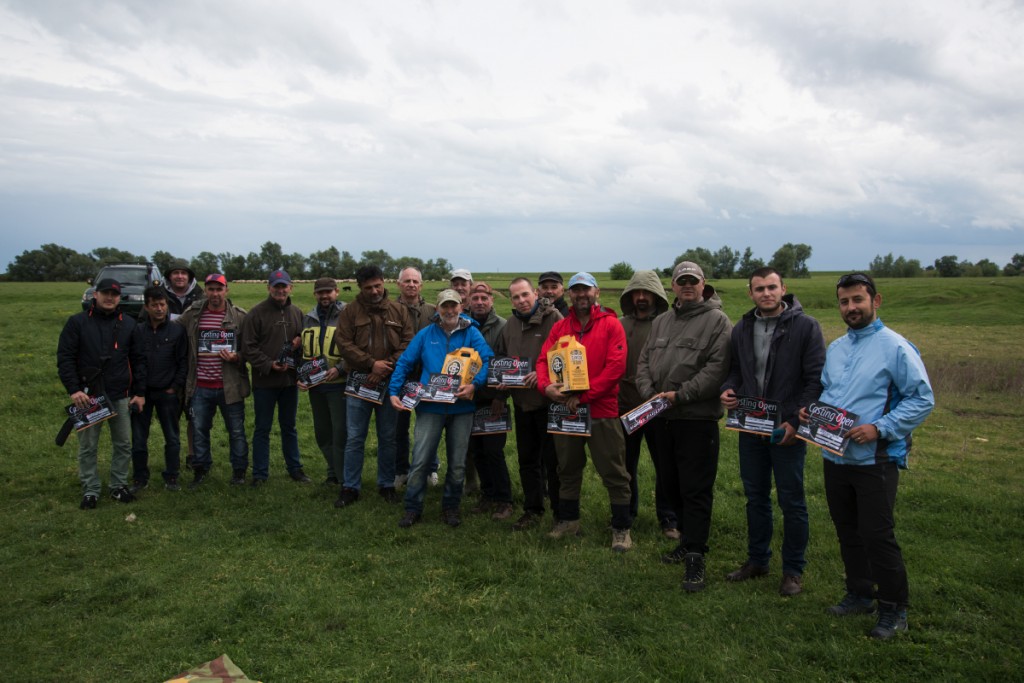
Muscarici Fly Casting Open editia 3, a avut loc in Sag (Timisoara) in 14 Mai 2016, ( o locatie deja cunoscuta a acestui eveniment ).
Aceasta editie ia avut ca instructori invitati pe:
Djordje Andjelkovic IFFF MCI, THCI, E L1, Serbia. Barrio Pro Team, Nor-Vise Fly Tying Pro Team,
Sasa Zec EFFA CI, Serbia
Vladimir Glamocak Swiss CDC Team member Serbia
O zi dedicata casting-ului, sub indrumarea lui Djordje Andjelkovic si Sasa Zec, in care am sustinut Openul si am beneficat de prezentarea lui Djordje de pescuit la uscata cu fire de clasa mica level si DT specifice pentru nimfa, pe lansete EvilFly, la pescuit cu musca uscata.
Desi a fost o zi cu vreme nu foarte buna, cu vint destul de intens, Openul s-a sustinut cu toate probele sale. S-a inceput cu proba de precizie, si apoi cu proba de distanta. Dupa finalizarea Openului s-a facut prezentarea de catre Djordje cu seria de lansete Evilfly pe care le produce. Apoi s-au mai incercat lansete si fire de tot felul pina cind vremea ne-a alungat spre restaurantul DAF din Giroc unde am stat la povesti pina seara. Am discutat cu Djordje ca in toamna sa facem o tabara de instruire pentru cei care doresc sa candideze pentru a fi instructor de casting, iar apoi sa vedem anul viitor sa organizam primul examen de instructori IFFF din Romania. Sasa Zec va sustine cu ocazia asta examenul de MCI.
Clasamentul final:
Proba de precizie:
Loc I – Mihnea Popescu cu 30 puncte
Loc 2 – Luca Moga cu 25 puncte
Loc 3 – Petru Galescu, Pavel Inclezan si Titus Nicoara cu 15 puncte
Proba de distanta:
Loc 1 – Titus Nicoara cu 29.90 m
loc 2 – Mihnea Popescu cu 29.65 m
Loc 3 – Luca Moga cu 28.25 m
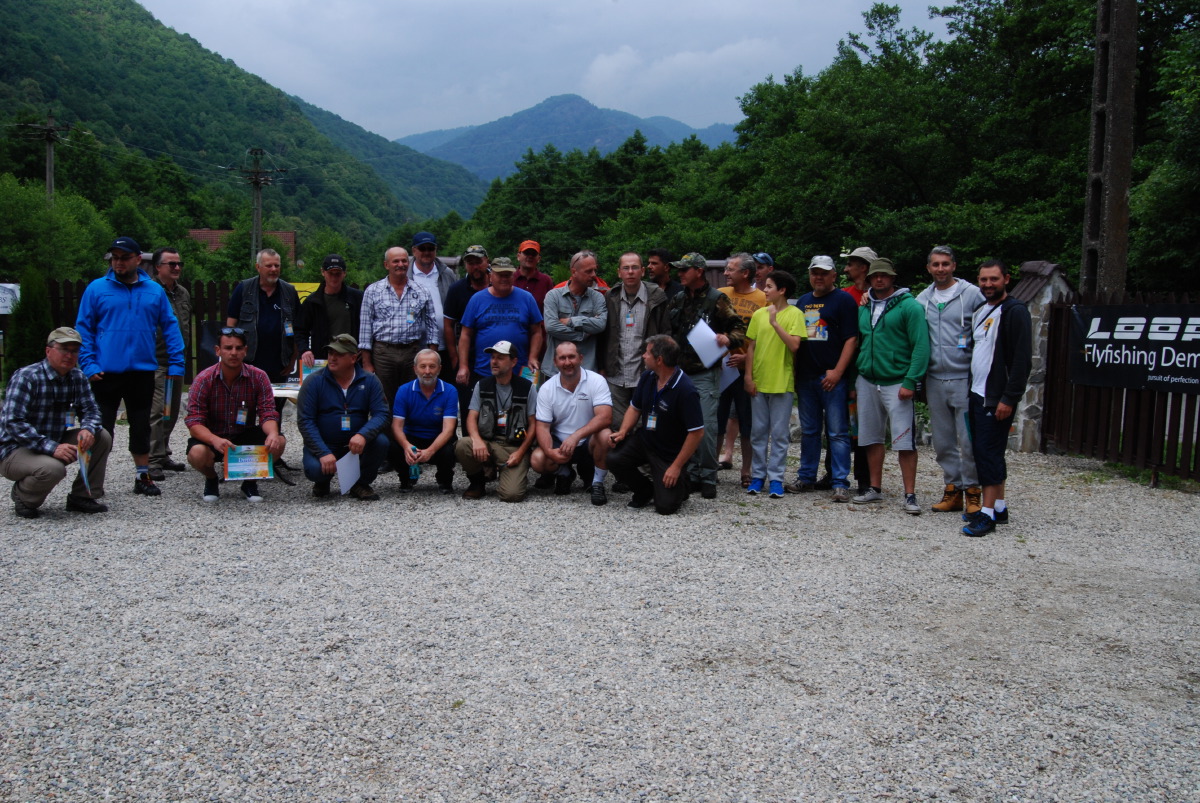
Au fost prezenti la eveniment 27 de muscari din Baia de Aries, Deva, Hunedoara, Caransebes si Novi Sad, din care au participat la competitie 14.
Parteneri: Clinica de Bere, Ceradez, Ideatm, Idesign, BNB.
Muscarici Casting Meeting Giroc
Simbata 19.12.2015 la Sala de sport din Giroc a avut loc intinirea de casting a Muscaricilor, intilnire ce a avut ca scop incheierea anului 2015 cu bine si pregatirea de actiuni viitoare.
Datorita timpului nefavorabil, am folosit sala de sport a Scolii din Giroc multumita lui Boris Babici care a facilitat accesul. La intilnire au fost prezenti Peti Bolodovina si Dan Almasan din Deva, Dan Olescher mebrul al Clubului Muscarilor Baia de Aries, Liviu Hoanca membru al Clubului Musca 13 Sibiu, si Muscarici.
A fost o intilnire dedicata casting-ului in care s-au folosit o mutime de lansete si fire de la diversi producatori, de diferite clase de la 2 pina la 9 DH. Timp de 5 ore am avut sala la dispozitie si am folosit intregul timp pentru a testa lansete si a controla firul in aer.
Am participat cu aceasta ocazie si la actiunea caritabila initiata de un grup de profesori ai scolii din Giroc, pentru a ajuta o familie sarmana cu un copil cu sindrom Dawn, ce traieste intr-un sat din imprejurimile Timisoarei, actiune ce are ca scop asigurarea lemnelor pentru incalzire pe toata durata iernii.
Dupa casting-ul din sala de sport ne-am retras la DAF junior pentru o bere si discutii, pentru a stabili intilnirii viitoare.
A fost o zi foarte OK cu mult casting si dezmortit de fire, o intilnire placuta cu prieteni vechi.
Astfel ne-am finalizat anul cu bine, an dedicat castingului, cu citeva actiuni notabile:
- Editia 1 a Muscarici Fly Tying Days, editie cu prezenta online a lui Davie Mc Phail,Timisoara, Castel Royal 20.03.2015
- Editia 2 a Muscarici Fly Casting Open, competitie cu prezenta nationala, Sag 18.04.2015
- Curs de initiere in Fly Casting la Scoala din Giroc in cadrul Scoala altfel, Giroc 22.04.2015
- Editia 8 A Muscarici Fly Casting Days, Retezat Pensiune Dumbravita 25.06.2015 cu prezenta a 6 instructori acreditati: Lasse Karlsson, Pual Arden, Thomas Berggren, Djordje Andjelkovic, Sasa Zec, Paul Sas.
- Intilnirea de casting Giroc de acum.
Multumim tuturor celor care ne-au fost alaturi in acest an, au fost prezenti la actiunile noastre. Multumim celor care ne-au sprijint si fara de care actiunile noastre nu ar fi reusit.
Va uram tuturor Sarbatori Fericite, si un an Nou mai Bun.
Muscarici Fly Casting Days editia 8
 Event feedback: (English below)
http://www.flyfishingromania.com/blog/this-summers-adventure-part-3/
http://www.pescuitlamusca.ro/blog-2/files/6c7749912e1860fdb805e14c978556b5-128.html
http://www.replicahd.ro/?p=20808

https://www.facebook.com/100000873342176/videos/vb.100000873342176/949940578378378/?type=2&theater
https://www.facebook.com/100000873342176/videos/vb.100000873342176/949925791713190/?type=2&theater
https://www.facebook.com/100000873342176/videos/vb.100000873342176/949919875047115/?type=2&theater
Povestea evenimentului asa cum o stiu eu…
Dupa o lunga perioada de pregatiri a sosit ziua intilnirii cu instructorii invitati, joi 25 iunie 2015 am plecat dupamasa spre aeroport sa-i intimpinam pe Lasse si Thomas, ca de acolo sa mergem la Castel Royal din Timisoara si sa ne intilnim la o masa cu Paul si Djordje. Zis si facut, am ajuns cu ei la Castel si in scurt timp Bogdan Carpenisan l-a adus pe Paul de la intrarea in oras, si Boris Babici l-a adus pe Djordje.
Am avut o masa linisitita si ne-am pornit pe drum spre Riul Mare. Coloana de 3 masini, pline cu bagaje si de toate pentru eveniment. Ne-am oprit in Lugoj ca sa facem plinul la masini si am plecat spre Sarmizegetusa cu scopul de a vedea in ce masura e buna arena romana pentru castingul de noapte cu fire luminiscente. Ajunsi acolo pe noapte deja ne-am plimbat intre ruine sa vedem care este locul cel mai potrivit, ne-am hotarit la Forum in cazul in care timpul ne va permite sa venim pina aici simbata seara. Am ajuns la pensiunea Dumbravita unde era asteptati de sotii Ardac din Bucuresti si de Smaranda si Liviu Neagoe din Germania, pentru a incepe discutiile cu privire la proiectul lor de renaturare a riului Ses. Cu berea Caster si povesti, s-a facut noapte tirziu pina am ajuns sa ne culcam.
Vineri 26 iunie dimineata, devreme au sosit prietenii nostri din Deva, Peti si Dan; ne-am ocupat de amenajarea locului pentru eveniment si am pornit intr-o recunoastere pe vale in sus, ca se le aratam instructorilor locurile pe care le vom putea pescui zilele viitoare.
Am mers la barajul Gura Vaii, si de acolo am intrat pe Lapusnicul mare, trecind de Rotunda pentru a vedea cum e apa. La prinz ne-am intors la pensiune si dupa un prinz bun, ne-am apucat de pornirea evenimentului. A venit deja multa lume, si incep si vestile despre intirziati, dintre care una neplacuta in privinta lui Valeriu Sepi din SIngapore, care venind cu masina dinspre Timisoara spre eveniment, a avut un accident usor in Topolovat si a trebuit sa renunte la participare.
Ne-am intilnit cu participantii din Chisinau pe care eram curios sa ii intilnesc, pentru ca s-au inscris din start la sectiunea DH, si dupa prinz, am inceput sa aranjam pornirea evenimentului.
Dupa o scurta prezentare a instructorilor a urmat prima demonstratie de casting a lui Lasse, demonstratie foarte interesanta ce s-a axat pe demontarea celor mai cunoscute mituri in casting, prin exemplificarea lor, astfel diferente intre actiunile betelor in casting la distanta, “anchor is charging the rod”, diferenta de clasa ca plus in atingerea unei lungimi de casting mai mari, pe rind ne-am distrat intr-un fel dar am invatat foarte multe din asta.
Dupa incheierea demonstratiei, s-a pornit partea de workshop-uri pe sectiuni si eu, am plecat cu Thomas si Djordje pe coada lacului Ostrov unde ne intilneam cu participanti sectiunii DH. Ne-a plouat continu dar toti am fost pe apa in wadersi, bine echipati si am inceput sa lucram la lucruri simple dar care sint baza oricarui tip de casting in DH: lift off, anchor set, single si double Spey, “the Bloody L”. Am incercat mai multe lansete cu fire diferite, de la un scandi head scurt, la fire cu head lung pentru spey. A fost prima confruntare cu sisteme diverse si am incercat sa vedem avantajele fiecaruia dintre ele. Scandi heads de la Airflo, foarte bune si moi, iar fir de spey de la Barrio pe care l-a adus Djordje. Instructorii au lucrat individual cu fiecare dintre participanti.
S-a facut seara si am plecat spre pensiune pentru cina, urmand ca dupa aceasta sa pregatim primele conferinte sustinute de Thomas si Lasse. Thomas a prezentat conceptul brandului sau Zimsen cu gama de lansete si fire, apoi a prezentat o parte din testarile si calcule facute pentru crearea acestor lansete. A fost o conferinta foarte interesanta sustinuta cu scheme si grafice in ideea de a vizualiza cit mai bine tipurile de teste care se fac, coeficientii obtinuti si ce semnifica acestia, in ce mod ne ajuta sa intelegem ce face o lanseta.
Lasse a facut o prezentare a noutatilor brandului ECHO, fiind prezente lansetele Echo Boost si Glass, lansete cu actiune total opusa dar care au fost mult mai usor intelese, caci Glass este un tip de lanseta gindita pentru nostalgicii perioadei de inceput a fibrei de sticla. Sincer mi-am dorit sa inteleg mai bine optiunea pentru lansetele astea asa de moi, si am vrut sa incerc modelele pentru DH.
Seara s-a lasat cu multa bere Caster Intensive, exceptionala de altfel, si vinuri Ferdi pina in noapte tirziu.
Simbata 27 iunie, a inceput la ora 10 cu demostratia lui Thomas legata de actiunea lansetelor si profilul firelor, in ce masura conteaza acestea. A fost o ora care a completat conferinta din seara trecuta. Toata aceasta demostratie s-a axat pe “Rod Action Paradox”. Dupa aceasta s-a ramas pe iarba pentru workshop, si testat de lansete si fire. A urmat demostratia lui Sasa despre “Trick Casts” demonstratie in care au fost prezentate varinate de rich cast, curve cast, presentation cast.
Am stabilit ca dupa prinz iesim cu totii pe coada lacului Ostrov si acolo a inceput demonstratia lui Paul Arden despre “Improving core skills”, demostratie ce a urmat unui moment de continuare de Water Cast sustinuta de Sasa. Ne-am intilnit si cu Gabi Culda, din Riul de Mori, cel de la care luam autorizatiile de pescuit cind sintem in zona, si am vorbit multe despre ce si cum putem face pentru apele din zona, si cum am putea sa le fin de ajutor rangerilor de aici.
Demo-ul lui Paul a fost foarte interesant in sensul ca ne-a prezentat diferite variante de a face un anumit tip de cast dupa cei care le-au dezvoltat si le aplica in situatii speciale, astfel Curve Cast facut prin aplicarea unui stop foarte ferm din lansarea pe lateral, mendinguri facute prin punere unei parti din fir ingramadit intr-un vas, tot felul de nebunii. Noi cei de la DH am continuat cu Lasse si Thomas patrea de Double Spey si Snake Roll Cast. Am lucrat pe lac avind un timp frumos, si cald.
Seara in timp ce lumea a plecat pentru cina, i-am luat pe Lasse si Thomas si am urcat pe dealul deasupra Clopotivei, pentru a le arata muntii si intreaga vale, fiin un loc cu privelisti superbe. Ne-a prins o ploie scurta acolo, si in timp ce ne uitam la peisaj, totul se schiba cu repeziciune. A fost o experienta foarte OK, mai ales ca doream sa vada mai bine unde sint si ce poate oferi tara Hategului.
Ne-am intors la pensiune si dupa cina, ne-a, pregatit pentru conferintele de seara, am avut o scurta discutie cu reprezentatii cluburilor din FRPMA, care a avut ca principal subiect, bulibaseala data de lupta dintre FRPSC si AGVPSR legata de competitiile de pescuit, si lipsa de activitate in federatie.
Djordje a prezentat scurt seria de fire de la Barrio, dupa care ne-a prezentata lansetele de nimfa Evil Fly, realizate de el, lansete de clasa 2-3-4 de 10 si 11 picioare, lansete pe care am avut sansa sa le pescuiesc zilele ce au urmat.
Dupa prezentarea asta, Lasse, Thomas si Paul Arden ne-au povestit lucruri despre campionatele mondial de casting, echipe de casting si din punctul lor de vedere ce ar trebui facut sa incepem si noi in a ne forma o echipa reprezentativa de casting. Au fost lucruri interesante de aflat. Intre timp eu am fugit cu Paul Arden afara sa pregatin sesiune de casting nocturn, ce s-a tinut pe pajistea din spatele pensiunii, fiind mai aproape si mai intunecata decit situl de la Sarmizegetusa. I-am prezentat charger-ul de lumina pe care l-am facut pentru asta, si l-am testat pentru a fi siguri ca totul e OK, bineinteles ca imediat dupa testare, firele de alimentare s-au rupt asa ca am improvizat sa putem sa-l folosim pe pajiste, caci lumea se aduna deja.
Am avut la dispozitie 3 fire Thunderbolt Luminous de la Sexyloops, si le-a incarcat in masina adusa special pe pajiste, asa ca ne-am jucat cu ele tirziu in noapte. A fost o experienta foarte interesanta, si a fost cumva regalul serii.
Duminica 28 iunie, de dimineata s-a pornit cu demostratie lui Djordje despre casting cu muste mari si grele, a fost o demonstratie dedicata pescuitului la stiuca si pesti mari. Dupa asta, s-a impartit lumea pe sectiuni iar cu Djordje si Thomas am plecat spre lac pentru ultima parte a workshop-ului. Am facut casting cu lanseta lui Thomas de competitie, 18 picioare, si fir cu head de 27 metri, lanseta care punea mari probleme in a ridica firul din apa, pe linga asta am facut casting cu lanseta Swich de la Echo, Glass de clasa 6 si 11 picioare, o lanset care m-a impresionat ca actiune cu un scandi head greu. Am repetat castingurile invatate si la ora 13 ne-am indreptata spre pensiune pentru a face concursul de casting programat. Intre timp Paul Arden a facut o demostratie pe iarba despre care am auzit ca a fost exceptionala, si cind am ajuns deja era incheiata.
Ne-am pus sa aranjam locatia de casting, si impreuna cu instructorii am hotarit ca e mai bine sa facem o competite neoficiala ce sa contina numai o proba de distanta, cu echipamentul dorit de fiecare, dar care sa destinda un pic toata lumea, in sesnul in care sa o folosim pentru a distra un pic impreun cu instructorii. Zis si facut, am amenajat pajistea, si s-au inscris 10 participanti si cei 6 instructori intr-o sectiune separata.
Eram presati de timp, astfel ca dupa o lansare de test, s-a trecut la lansari masurabile, cit mai multe in decurs de 1 minut. A fost super interesant pentru ca media lansarilor in acest minut a fost de 4. astfel la finalul sectiunii de participanti Alex Moga a avut cea mai lunga lansare de 28.3 m, ocupind locul 1, Luca Moga cu 27.2 m a ocupat locul 2 si Titus Nicoara cu 26.7 m a ocupat locul 3. Pimii 2 au cistigat din partea lui Thomas cite un fir Zimsen cu head de 22 si 16 m. Masurarea distantelor de lansare a fost facuta de instructori.
Sectiunea pentru instructori a fost haioasa, caci s-a folosit o lanseta Zimsen de clasa 5 cu firul Zimsen de casting cu head de 22 m, chiar daca se putea folosi orice lanseta pe care o aveau, astfel dupa seria de lansari facute de ei, Thomas fiind ultimul, a venit cu lanseta de 18 picioare, just for fun, si dupa momentul in care s-au spulberat toate “pariurile” a lansat cu aceeasi lanseta ca toata lumea. Clasamentul final a fost Sasa cu 33.8m, Paul Arden cu 33.4m, Lasse cu 32.7m, Thomas cu 31m, Paul Sas cu 27.3m si Djordje cu 26.8m. Regulamentul a fost identic cu cel al participantilor.
Dupa asta s-a trecut la echipamentul greu, lanseta de 18 picioare cu care s-a aruncat peste gard si pomi, lansarile fiind peste 45 m.
Dupa prinz a venit si momentul final, al ceremoniei de inchidere. Astefel in curtea pensiunii s-au acordat dimplome participantilor, cele 2 fire puse la dispozitie de Thomas pentru cei 2 cistigatori ai concursului de casting, si am acordat instructorilor titluri alaturi de un vin Carama Ferdi de editie limitata. Astfel Paul Sas si Lasse au devenit membri de onoare a clubului nostru, Sasa si Thomas au devenit Muscarici Seniori ai clubului, iar Paul Arden si Djordje au devenit Instructori asociati. Am multumit pentru prezenta celor din Chisinau, gazdelor pentru ospitalitate si ne-am luat ramas bun, curtea arhiplina cu masin si lume raminind goala.
Titus cu Sasa s-au intors in Timisoara, Paul Sas a plecat spre Cluj.
Am pornit pe vale in sus cu Paul, Lasse, Thomas la pescuit, Paul cu Alex Varga s-au du pe coada lacului Gura Vaii sa vada daca merge ceva, noi ( Lasse, Thomas si eu) am ramas in zona primului pod pe Lapusnicul mare pentru avedea daca se ridica ceva la musca uscata. Nu a fost o zi buna, caci apa e inca foarte rece, si pastravii nu se ridica. Nu am incercat la nimfa, caci scopul nostru nu a fost sa scoate cu orice pret pesti din apa, ci am vrut mai mult sa vada apele si zona de pescuit.
Seara ne-am intors la pensiune pentru o cina linistita, si dupa citeva beri Caster si vin Ferdi ne-am dus la culcare.
Luni 29 iunie, am pornit la pescuit in zone noi. Paaul Arden s-a dus pe lac la revarsarea riului Ses, noi am plecat pe riul Brabat sa-l vada. Am ajuns in prima parte a riului dupa intrarea pe vale si am incercat un pic sa pescuim sa vedem daca sint ridicari la uscata. Djordje si eu am incercat la nimfa, in ideea de a vedea cum se comporta lansete Evil Fly, Djordje cu ce de clasa 3, eu cu cea de clasa 2. Dupa o plimabre in sus pe riu si mici incercari, am hotarit sa mergem in zona barajelor in aval sa incercam acolo, si apoi mai jos la iesirea de pe vale. S-au prins citiva pastravi frumusei, dar toti numai la nimfa, nu muscareau inca.
Pentru a face o zi cit mai completa, ne-am intors pe riul mare sa pescuim seara la uscata, sa vedem daca se ridica pastrvi mai frumosi. Am avut un drill cu un pastrav mai mare la uscata, apoi Thomas a avut ridicari de la pastravi mai mici, iar Lasse si Djordje ne-au ajuns din urma la un loc foarte bun, unde ne-am jucat cu fire si lanste diferite in casting la uscata upstream si downstream. A fost super fain, buna dispozitie, analiza de locuri si situatii, incercat de echipament, de toate.
Ne-a prins seara usor si am plecat spre pensiune pentru o cina buna si o degustare de vinuri Ferdi, lasate de Fernando Mihailescu in acest scop.
Marti 30 iunie, de dimineata ne-am imbarcat in masini si am pornit spre Timisoara, era ziua plecarii la aeroport a lui Lasse si Thomas, Djordje si Paul deasemenea porneau si ei spre casa. Pe la ora 12 am ajuns in oars si am hotarit ca mergem undeva spre aeroport pentru un ultim prinz in aceasta formatie. Ne-am oprit la Taverna Sirbului si dupa asta ne-am dus cu totii la aeroport. Pe Paul l-am condus la iesire din oras spre Cenad, iat Titus l-a condus pe Djordje spre Beograd. MCD8 se incheiase, noi am mers la birou pentru urgentele ce au aparut intre timp, si seara spre casa.
Sentimentul care s-a asternut a fost de mutumire pentru tot ce s-a intimplat, zile frumoase petrecute cu oameni minunati. Feedback-urile au inceput sa apara o data cu vestile de ajungere acasa cu bine a tuturor.
Sint zile ca au meritat sa fie traite!
Desigur ca multumirile noastre se indreapta spre participanti, instructori, si cei care ne-au sprijinit in acest proiect: Heinrich Loth – Data Group INT si Clinica de Bere, autorul berii Caster Intensive, pusa cu generozitate la dispozitie si finantare, Adrian Savu – Alsa Skog Norvegia pentru finantare, Alin Neamtu – BN Business pentru birotica necesara evenimentului, Fernando Mihailescu – Crama Ferdi, pentru vinurile exceptionale puse la dispozitie, Florin Doru Moza – Mopeka Impex, carburant, Florin Ivanescu pentru trofeele create pentru instructori, Titus Nicoara – Ceradez, pentru suport si finantare.
Muscarici Fly Casting Day editia a 8-a a avut loc de vineri 26 iunie ora 15.00 pina duminica 28 iunie 2015 ora 14.00, la Pensiunea Dumbravita de pe Riul Mare Retezat, Masivul Retezat.
Este un eveniment dedicat Fly Casting-ului, si echipamentului dedicat, eveniment ce va avea 3 sectiuni: – incepatori si copii (Beg) – avansati – casting echipament pentru o mina (SH) – casting cu echipament pentru 2 miini (DH)
Invitati:
– Lasse Karlsson, MCCI THCI IFFF, CBOG AAPGAI, KarlssonFlyfishing.com (DK)
– Paul Arden, Sexyloops (UK)
– Thomas Berggren, IFFF MCI THCI, KarpenFlyFishing (SE)
– Djordje Andjelkovic, IFFF MCI, THCI (SRB)
– Sasa Zec, EFFA CI (SRB)
– Paul Sas EFFA CI (RO)
Demonstratii, workshopuri, casting clinic, concurs de casting, prezentari de echipament si conferinte despre dezvoltarea de echipament de fly.
Este un eveniment deschis tuturor celor interesati.
De mentionat:
1. In pemiera – 6 instructori de casting acreditati prezenti in Romania din care 4 sint Master atit pentru echipament de o mina cit si pentru doua miini, campioni mondiali de casting, din UK, Danemarca, Suedia, Serbia si Romania.
2. In premiera – prezenta primului instructor Roman acreditat EFFA ( European Fly Fishing Association ) Paul Sas din Cluj.
3. In premiera – primul membru CBOG IFFF prezent in Romania, Lasse Karlsson din Danemarca, membru in Board of Governors, International Federation of Fly Fishers.
4. In premiera – O sesiune de casting nocturn cu fire speciale luminiscente marca Sexyloops, coordonata de Paul Arden (fondator Sexyloops.com – cel mai important portal de informatii si tehnica de casting).
5. 5 demostratii de casting de o ora sustinute de instructorii invitati, 12 workshopuri de cite 2 ore si jumatate sustinute in paralel pe sectiuni ( incepatori, avansati, si echipament pentru 2 miini ), 3 conferinte despre creare si dezvoltare de echipament, discutii despre programele IFFF.
6. 2 lansari de branduri in Romania: Zimsen din Suedia si Evil Fly din Serbia, lansete si fire.
7. 6 branduri prezente in eveniment: ECHO (USA), Loop (Suedia), Barrio (UK), Sexyloops (UK), Karpen FlyFishing (Suedia) si S1waterbike (Romania)
8. 45 de participanti din Romania, Germania, Republica Moldova.
9. Evenimentul contine citeva intilniri de notabile:
– discutii de lucru in cadrul FRPMA intre membrii cluburilor prezente la eveniment,
– Intilnire de lucru a Clubului Muscaricilor din Timisoara cu Fly Fishing Romania in privinta proiectului de renaturare a riului Ses.
10. Lansarea noului tip de bere al Clubului Muscaricilor din Timisoara: Caster Intensiv, bere produsa exclusiv pentru acest eveniment de Clinica de Bere din Timisoara.
11. Prezentarea si promovarea bogatiilor culturale si naturale ale zonei tarii Hategului.
3 zile intense, ce aduc Romania pe harta casting-ului international, evenimentul este considerat de instuctori ca fiind unul dintre cele mai importante din Europa de Est, in acest an.
Acest eveniment face parte din calendarul de activitati al FRPMA.
MCD8 Program:
Vineri 26 iunie:
pina la 3 PM – registration 3 PM – inceperea evenimentului, prezentarea instructorilor
4 PM – primul Demo – Lasse Karlsson – A mythbusting, taking apart several of the persistent myths in flycasting!
5 PM – Workshop: – BG (Paul Sas, Sasa Zec) – SH (Paul Arden, Lasse Karlsson) – DH (Thomas Berggren, Djordje Andjelkovic)
7.30 PM – cina
8.30 PM – Conferinta, Thomas Berggren – Zimsen lansare brand
9.30 PM – Conferinta, Lasse karlsson – ECHO prezentare echipament 10 PM – Lansare bere Caster Intensive, Lasse si Thomas despre programele IFFF
Sambata 27 iunie:
9 AM – mic dejun
10 AM – al doilea Demo – Thomas Berggren – Rod action and Line profiles – Does it really matter??
11 AM – Workshop: – BG (Paul Sas, Sasa Zec) – SH (Paul Arden, Thomas Berggren) – DH (Lasse Karlsson, Djordje Andjelkovic)
1.30 PM – al treilea Demo – Sasa Zec – Trick casts & Water Casts.
2.30 PM – prinz
3.30 PM – al patrulea Demo – Paul Arden – Developing the core skills.
4.30 PM – Workshop: – BG (Paul Sas, Djordje Andjelkovic) – SH (Paul Arden, Sasa Zec) – DH (Thomas Berggren, Lasse Karlsson)
7 PM – cina
8 PM – Conferinta, Djordje Andjelkovic – EvilFly lansare brand, Barrio noutati
9 PM – Paul Arden, Sexyloops Lumiline Demo – Sarmizegetusa Roman Forum, si degustare de vinuri Ferdi.
Duminica 28 iunie:
9 AM – mic dejun
9.45 AM – Demo 5 – Djordje Andjelkovic – Casting big and heavy flies
10.45 AM – Workshop: – BG (Paul Sas, Sasa Zec) – SH (Paul Arden, Lasse Karlsson) – DH (Thomas Berggren, Djordje Andjelkovic)
1 PM – Competitie de Casting
2 PM – prinz
3 PM – Ceremonie de inchidere
Date tehnice: – echipament prezent in eveniment:
Evil Fly Rods ( lansare ) – brand al lui Djordje Andjelkovic: Nymph Whisperer 10 ft size 2,3,4, Nymphomaniac 11 ft size 3 and 12 ft size 4.
Zimsen ( lansare ) – seria de lansete de clasa 5 de 9 feet Medium, Medium Fast, Fast, lanseta de clasa 6 de 9 feet Fast1 si seria de fire tehnice Zimsen de clasa 5: MPL9, MXP12, MXD LB16, si MXD LB22.
Barrio, prin Djordje Andjelkovic line developer, va fi prezent cu firele sale GT 125, SLX si Nymph Line. Djordje le va prezenta in conferinta sa.
Sexyloops, Karpen FlyFishing, Loop, Echo, S1waterbike.
Partener oficial al clubului: Clinica de Bere – Timisoara, care produce berea Caster pentru acest eveniment, sa lansat cu aceasta ocazie noua bere Caster Intensiv.
Parteneri: Crama Ferdi, Alsa Skog, BN Business, Mopeka Impex, Data Group Int, Ceradez, Ideatm, MMC.
—
Muscarici Fly Casting Days – edition 8, is part of a series of Fly Casting events held with certified casting instructors in Romania since 2010.
The edition 8 took place in Retezat Mountains, western part of Romania – at Dumbravita Pension on June 26- 28, 2015.
The event was open to every fly fisherman, beginner or advanced caster, for one hand or double hand gear.
Invited instructors and guests are:
Lasse Karlsson MCCI THCI IFFF, CBOG AAPGAI (DK)
Paul Arden – Sexyloops founder (UK)
Thomas Berggren MCI THCI IFFF (SE)
Djordje Andjelkovic MCI THCI IFFF (SRB)
Sasa Zec CI EFFA (SRB)
Paul Sas CI EFFA (RO)
3 days dedicated to casting techniques: Demos, Workshops, Casting clinic, Gear presentation and gear tests, Conferences about developing gear.
3 working sections: 1.- One hand (SH), 2. – Two hands (DH), 3. – Beginners and casting for kids.
You could find:
– Designing and developing gear conferences,
– Gear show and test,
– Casting Competition,
– Fishing Demos on stream and lake,
– International participation,
– Caster Intensive beer launch – Muscaricilor Club new beer .
The event was part of Romanian Fly Fishing Federation (FRPMA) calendar.
Event language: English
Brands in the event:
Sexyloops, Zimsen, Karpen FlyFishing, Loop, ECHO, Evil Fly, Barrio, S1waterbike.
Official Partner of Clubul Muscaricilor Timisoara: Clinica de Bere – the Caster Platin and Gold beer producer.
MCD8 Program:
Friday June 26:
till 3PM – registration 3 PM – starting the event registration presenting the instructors
4 PM – First Demo – Lasse Karlsson’s hour – A mythbusting, taking apart several of the persistent myths in flycasting!
5 PM – Workshop – BG (Paul Sas, Sasa Zec) SH (Paul Arden, Lasse Karlsson) DH (Thomas Berggren, Djordje Andjelkovic)
7.30 PM – diner
8.30 PM – Conference, Thomas Berggren – Zimsen brand launch
9.30 PM – Conference, Lasse karlsson – ECHO gear presentation
Caster Intensive beer launch, Lasse and Thomas about IFFF programs
Saturday June 27:
9 AM – breakfast
10 AM – Second Demo – Thomas Berggren’s hour – Rod action and Line profiles – Does it really matter??
11 AM – Workshop – BG (Paul Sas, Sasa Zec) SH (Paul Arden, Thomas Berggren) DH (Lasse Karlsson, Djordje Andjelkovic)
1.30 PM – Third Demo – Sasa Zec’s hour – Trick casts & Water Casts.
2.30 PM – lunch
3.30 PM – Fourth Demo – Paul Arden’s hour – Developing the core skills.
4.30 PM – Workshop – BG (Paul Sas, Djordje Andjelkovic) SH (Paul Arden, Sasa Zec) DH (Thomas Berggren, Lasse Karlsson)
7 PM – diner
8 PM – Conference, Djordje Andjelkovic – EvilFly brand launch
9 PM – Paul Arden, Sexyloops Lumiline demo – Sarmizegetusa Roman Forum, Ferdi vines
Sunday June 28:
9 AM – breakfast
9.45 AM – Fifth Demo – Djordje Andjelkovic’s hour – Casting big and heavy flies.
10.45 AM – Workshop – BG (Paul Sas, Sasa Zec) SH (Paul Arden, Lasse Karlsson) DH (Thomas Berggren, Djordje Andjelkovic)
1 PM – Casting Competition
2 PM – lunch
3 PM – Closing ceremony, certificates, good bye
To notice:
1. Premiere – 6 accredited casting instructors at one event in Romania, 4 MCI and THCI, from UK, Denmark, Sweden, Serbia si Romania.
2. Premiere – first Romanian accredited EFFA instructor Paul Sas from Cluj.
3. Premiere – first CBOG IFFF in Romania, Lasse Karlsson from Danemarca, member in Board of Governors, International Federation of Fly Fishers.
4. Premiere – a night casting session with Luminous line from Sexyloops, coordinated by Paul Arden (Sexyloops).
5. 5 one hour casting demos, 12 workshops 2hours and a half each held in 3 sections ( beginners, single hand and double hand), 3 conferences about designing and developing gear and IFFF programs.
6. 2 brand launch in Romania: Zimsen from Sweden & Evil Fly from Serbia, rods and lines.
7. 6 brands in the event: ECHO (USA), Loop (Sweden), Barrio (UK), Sexyloops (UK), Karpen FlyFishing si S1waterbike (Romania)
8. 45 participants from Romania, Germany, Republic of Moldavia.
9. 2 Important meeting:
– working session in Romanian Fly Fishing Federation,
– working meeting between Clubului Muscaricilor from Timisoara and Fly Fishing Romania concerning the rehabilitation project of Riul Ses, Retezat.
10. Clubului Muscaricilor from Timisoara new beer launch: Caster Intensiv, exclusively produced by Clinica de Bere din Timisoara for our club event.
3 intense days, that bring Romania on the international casting map, the event is considered by instructors as a top event.
The Story:
The event starts on Thursday June 25, with the arrival of Thomas and Lasse to Timisoara International Airport. I went to pick them up and drive to Castel Royal Timisoara to meet Dordje and Paul Arden at a nice meal. It was 6 PM when we met all there and we start drive to the Retezat Mountains to get there before dark. We had a small stop to Sarmizegetusa Roman Arena and Forum, to see if it is OK for the Luminous Line session programed to Saturday evening. The Forum was OK, but beacuse of the ambient light of the village the arena wasn’t a place for the session.
We arrived a Dumbravita Pension, and we meat the guys from Flyfishing Romania, Smaranda and Liviu Neagoe, to talk about the days to come, and the partnership on Riul Ses project. We had many Caster beers late night.
Friday, June 26, morning we meat the muscarici guys from Deva, they come to help us on arranging the banners and preparing the event starts. We drive to the upper valley to show to Paul, Thomas, Lasse and Djordje the area for fishing. So we went to the Gura Apei dam and up to the Lapusnicul Mare stream. We had a wonderful journey, and we went back to the pension for noon. There a lot of people where arrived, we meat Paul Sas and Sasa, and we prepare to start the event.
At 4 PM, I presented the invited instructors and Lasse start with his one hour demo – a myth busting of the most common casting tabus. A great demo, talking about anchor, more weight get distance, rod action, fast versus medium, etc.After this demo, we split into sections and we start the workshop first row. Being on DH section, I went with Djordje and Thomas to the Ostrov lake to meet the others and start the topic we had to do. Lift off, Swich cast, was the focus.
We had a continuous rain on the lake, so after 2 hours and a half, we leave to the pension for diner.
The evening start with Thomas conference about Zimsen rods and lines, a very nice presentation focus on rod action and lines profile, with the focus on learning more about general aspects on developing, and choosing a rod action. Great conference.
Later Lasse presented the Echo gear, focus on the Boost new series and Glass series. it was interesting to understand the choice of Tim Rajef on the old fiber glass action, and we could hear the Echo gear grounds.
With plenty of Caster beer the night was long, and people talk about all sorts of things till morning.
Saturday, June 27
Morning came with Thomas hour demo, continuing what he start a evening ago, presenting the rod action matter. than we did some work on the grass on the back side lawn of the pension, trying the rods and lines. Than Sasa demo about trick cast and water casts that started on the lawn and after lunch, continued on the Ostrov lake shore. Than Paul Arden start his demo about developing core skills, a very nice demo about the way of developing the classic casts in your own way. We spend the rest of the day on the lake shore to develop the skills in Double Spey, avoid the “Bloody L” on the DH section.
The evening came so before we went to diner, I took Thomas and Lasse up on the fromt hill to see the magnificent view above Hateg County and Retezat Mountains. It was a short but nice time to see clouds and rain moving above our heads.
After diner we had a short Romanian FFF meeting, and than Djordje presented the Barrio lines and his Evil Fly Nymphing rods. Later Lasee Thomas and Paul Arden talk about the Casting World Competitions, stories about participants, and what it should be done for a Romanian team in future.
In the mean time we start to prepare the casting night session, testing the charger for Lumilines, and off-course in the late moment shit happen and we had to fix the charger contacts. People gathered on the lawn and we manage to charge 3 line to have people cast with late in the night. It was a very nice moment, seeing all those luminescent lines flowing into the air. Great lines and moment.
Sunday, June 28
We start in the morning with Djordje’s demo about casting big and heavy flies. A nice demo using big… flies, and trying to cast them far, different techniques on heavy rods. Later we went to lake shore to have the final workshops on DH rods, the SH and beginners worked on the pension lawn. We did snake roll cast in DH, and we tried the Thomas 18 foot competition rod with a 27 m head… hard to have a lift off wit that gear.
At noon we came to the pension to arrange the competition place, we decide that we shall do only the distance competition because of the lack of time, and we had a special task on doing as far and many casts in only one minute. We had 10 participants, and the instructors supported us in measuring each cast. In the end we had Alex Moga on first place with 28.3m, Luca Moga on second place with 27.2m and Titus Nicoara on third place with 26.7m. The instructors made their own section, so after a funny moment in which Thomas bring his 18 footer rod, we had the final results with all on the same rod ( Zimsen) Sasa first place with 33.8m, Paul Arden on second with 33.4m and Lasse on third with 32.7m. It was fun, the average rate of cast was 4 in one minute.
After lunch we star tour closing ceremony, thanks to all participants for being here with us in this event, thanks to instructors for teaching and give them honorific titles of our club, so Paul Sas and Lasse get the honorary membership of our club, Paul Arden and Djordje became Associate Instructors, and Sasa and Thomas became our Senior Members.
We thank to Jarco, our host for all his support and to all partners and sponsors.
People went homes, and Paul Arden, Lasse, Thomas, Djordje and I went to the upper part of the valley for fishing into Lapusnicul mare stream and Gura Apei lake. We had a nice afternoon there and we tried to have a dry fly fishing in a very cold water. No fish, but it is normal to the water condition. So we went in the evening to have a nice meal and plan the next day for fishing.
Monday, June 29
We start the day organizing fishing on Barbat river, and we start driving into the area. The landscapes are nice and we arrived at a first third of the valley to start fishing. Thomas and Lasse at dry fly, Djordje and I nymphing, I wanted to try the Evil Fly weight 2 rod. So after catching few trouts we decided to go downstream to see the dams part, and than in the entrance of the valley. We had some trouts there too, and we decided to see the evening fishing on Riul Mare. So we went to the lower part of the river and we did some Dry Fly Fishing there, catching some trouts and seeing some nice places to fish. Evening came quickly and we went to meet Paul Arden at the pension, cause he went all day in the Gura Apei lake on the Riul Ses part. He had some experience climbing to the car on a very long and steep shore. Wild and rough places. We had a nice meal and Ferdi wines late into the night.
Tuesday, June 30
Th departure day, we had to get up early and pack the cars, starting to drive to Timisoara for geting in time to the airport, Thomas and Lasse has to fly home, Paul Arden and Djordje has to drive home. So after a lunch near the airport, we pass Thomas and Lasse to check in, than we went to the exist of the town with Paul and Djordje. The MCD8 was over.
Time to write emails, press releases, grabbing all photos we made, publish interviews, etc… and still today I’m not ready with all that.
But as I like to say, those days are worth to be living!
Technical data: – gear:
Evil Fly Rods ( launch ) – Djordje Andjelkovic brand consist in nymphing rods: Nymph Whisperer 10 ft size 2,3,4, Nymphomaniac 11 ft size 3 and 12 ft size 4.
Zimsen ( launch ) – rods weight 5, 9 feet Medium, Medium Fast, Fast, weight 6, 9 feet Fast1 and technical lines Zimsen weight 5: MPL9, MXP12, MXD LB16, si MXD LB22.
Barrio, through Djordje Andjelkovic line developer, presented the GT 125, SLX si Nymph Line.
Sexyloops, Karpen FlyFishing, Loop, Echo, S1waterbike.
Oficial Partner: Clinica de Bere – Timisoara, the producer of Caster beer for this event, we had Caster Intensiv launch beer.
Partners: Crama Ferdi, Alsa Skog, BN Business, Mopeka Impex, Data Group Int, Ceradez, Ideatm, MMC.